

Tesla sells the audacity to believe that one company can rewrite the rules of an entire civilization - and make you feel like a revolutionary for buying in.
What Tesla Actually Sells
If you think Tesla sells electric vehicles, you are looking at the wrong thing. Tesla sells a belief system. It sells the story that the fossil fuel era is ending, that you can be on the right side of history, and that buying into this mission makes you smarter, more forward-thinking, and frankly cooler than everyone still driving a combustion engine.
The car is just the membership card.
Tesla sells moral permission to be excited about the future - and the status of being someone who acts on that belief before the rest of the world catches up.
This is why Tesla owners don’t just buy a car - they evangelize. They become unpaid brand ambassadors. They argue in comment sections. They convert their friends.
That level of devotion doesn’t come from horsepower specs. It comes from identity. Tesla made buying a car feel like joining a movement.
The 5 Pillars Behind the Brand
01 - Mission Over Marketing
Tesla’s stated mission - “to accelerate the world’s transition to sustainable energy” - is not a tagline. It is the operating system for every decision the company makes. This mission does the heavy lifting that advertising normally does. People who believe in the mission market the product for free. Every news story, every podcast mention, every Twitter debate is earned media generated by the power of a clear and meaningful “why.”
02 - The Founder IS the Brand
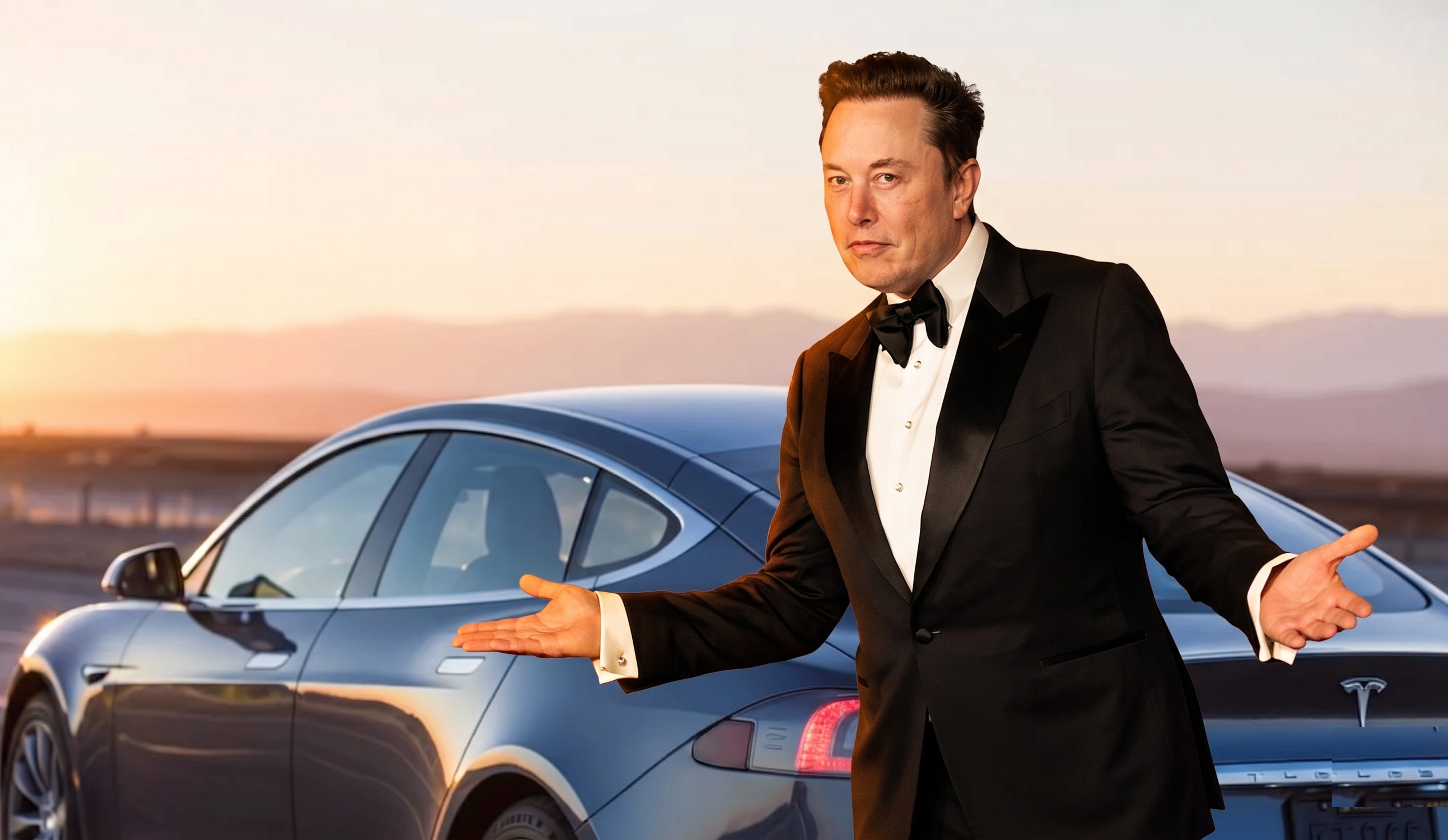
Elon Musk is not just the CEO of Tesla. He is the myth around which Tesla’s entire cultural gravity orbits. He generates billions in free media through his persona, his provocations, and his near-lunatic public ambition. This is a calculated brand strategy whether intentional or not: attach an irreplaceable human story to a company and you create emotional investment that no ad campaign can manufacture.
03 - Product as Proof of Promise
Tesla’s product is not just good - it is demonstrably, visibly, undeniably different from everything else in its category. The first time someone drives a Model S, the acceleration alone converts them. Product experience is the advertisement. This is why Tesla has spent $0 on traditional advertising for most of its history. The product earns its own word-of-mouth.
04 - Scarcity and the Waiting List Effect
Tesla has almost always had more demand than supply. This is partly logistics - but it is also genius brand management. You want what you cannot immediately have. The waiting list is not a problem. It is a feature. It signals desirability. It creates anticipation. It generates news. When the Model 3 launched, 400,000 people put down $1,000 deposits sight unseen. That is not a product launch. That is a cultural event.
05 - Direct-to-Consumer as Brand Control
Tesla refuses to use dealerships. This decision - controversial, legally challenged in multiple states - is a branding decision as much as a business one. Tesla controls every touchpoint of the customer experience: the showroom, the website, the purchase flow, the delivery experience. When you control every moment of the relationship, you can deliver a consistent story. Middlemen dilute brands. Tesla eliminated them.
The Systems Behind the Magic
Great branding is a story. Great systems are what let that story scale without breaking. Here is where Tesla’s operational genius feeds directly into its marketing power.
Over-the-Air Updates Tesla sends software updates to your car while you sleep. You wake up to new features. This creates a media moment every single time - owners share it, journalists write about it. The product itself becomes a content engine.
The Referral Network Tesla’s referral program turned customers into a distributed sales force by offering rewards for sending new buyers. The incentive aligned perfectly with the community’s identity. True believers were thrilled to spread the word.
The Supercharger Infrastructure By building its own charging network, Tesla removed the number one objection to electric vehicles. This is systems thinking in direct service of marketing - solve the fear, remove the friction, and the story sells itself.
Vertical Integration Batteries, chips, software - Tesla builds it all. This gives them control, speed, and a cost advantage. But it also gives them complete brand control: every component of the Tesla story is written in-house.
The Roadmap Strategy
One of Tesla’s most brilliant and underappreciated brand moves was the public roadmap. In 2006, Elon Musk published “The Secret Tesla Motors Master Plan” on the company blog. It outlined a simple sequence: start with an expensive sports car, use profits to build a cheaper sedan, use those profits to build an affordable mass-market car.
This transparency created trust, narrative, and anticipation - all at once.
The roadmap worked because it invited the public into the story before the story was finished. It made early customers feel like co-conspirators. It gave journalists something to track and report on. And it held the company publicly accountable to a vision larger than any single product.
What You Can Apply Tomorrow
These are not theories. These are repeatable frameworks that work for any business - from a solo consultant to a fast-growing startup. Tesla did not invent these principles. They just executed them better than almost anyone.
Framework 1 - The Mission Statement That Actually Works
Tesla’s mission is not “to sell electric cars.” It is “to accelerate the world’s transition to sustainable energy.” The difference is everything. One describes a product. The other declares a war worth fighting. Your mission must be larger than what you sell.
How to apply it:
Write down what your business does in one sentence. Now ask: who cares? Then rewrite it as a world you are trying to create - not a service you are trying to deliver.
The test: would someone volunteer their time for this mission even if they weren’t paid? If yes, you have a mission. If no, you have a description.
Put the mission on every internal document, every team meeting, every hiring conversation. The mission is the filter for every decision.
Communicate the mission before you communicate the product. In your bio, your website, your pitch - lead with “why” and let “what” follow.
Framework 2 - Build the Roadmap in Public
Tesla’s 2006 master plan blog post created years of anticipation and trust before those products existed. Transparency about where you are going is a marketing asset - not a competitive risk.
How to apply it:
Write and publish a 12-month “master plan” for your business. What are you building? What comes after? Why does the sequence matter?
Share the roadmap with your audience, your email list, your social following. Let them feel like insiders. Insiders become evangelists.
Update the roadmap publicly and regularly. Progress reports create ongoing content and build trust over time.
Create a waitlist or early-access list for future products before they exist. Use it to build anticipation and validate demand simultaneously.
Framework 3 - Make Your Product the Advertisement
Tesla’s product is so demonstrably different that experiencing it once is enough. The car sells itself in the test drive. What is your equivalent of the test drive? How do you make your product do the marketing?
How to apply it:
Identify the single most impressive moment of your product or service - the equivalent of a Tesla’s 0-60 acceleration. Design the entire onboarding experience around delivering that moment as early as possible.
Create a “wow moment” your customer will want to share. Make it screenshot-worthy, story-worthy, or conversation-worthy.
Give away the experience before the transaction. Free trials, demos, samples - get them behind the wheel before they have to commit.
Systematize testimonials and case studies. One powerful before-and-after story outperforms any ad campaign.
Framework 4 - The Founder Brand Strategy
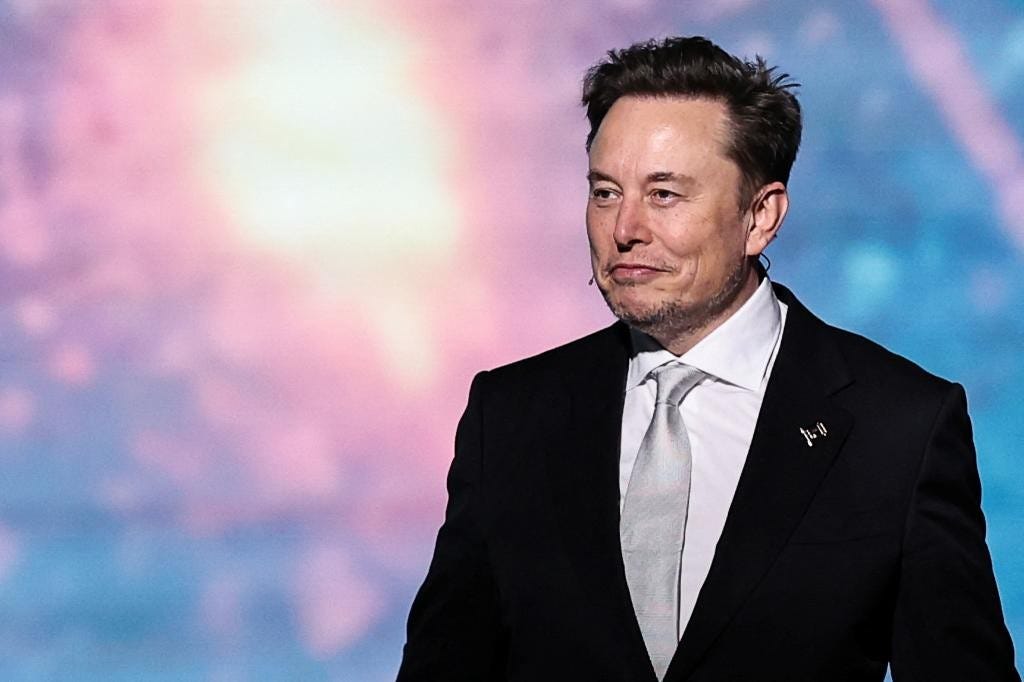
Elon Musk is the reason millions of people know what Tesla is. You do not need his celebrity - but you do need to be a visible, known, human presence behind your brand. People follow people before they follow companies.
How to apply it:
Choose one platform and commit to showing up there consistently as yourself - not just as your brand. Share your thinking, your journey, your failures, and your vision.
Document your process publicly. Building in public creates community, earns trust, and generates content all at once.
Have clear, known opinions about your industry. Fence-sitting builds no following. Thoughtful conviction builds a tribe.
Your personal story is your brand’s origin myth. Craft and tell it deliberately - why you started, what you believe, what you are fighting against.
Framework 5 - Control Your Touchpoints
Tesla’s decision to go direct-to-consumer was a brand decision. Every dealership they would have used would have diluted their story. You cannot build a premium brand through channels that don’t care about your story.
How to apply it:
Map every touchpoint a customer has with your brand - from first social media view to post-purchase email. Rate each one on a scale of 1-10 for brand consistency.
Eliminate or redesign the lowest-scoring touchpoints. Bad touchpoints don’t just disappoint - they contradict your entire brand story.
Build your own channels: your email list, your community, your podcast or newsletter. Rented audiences on social platforms can disappear. Owned audiences cannot.
Train anyone who represents your brand - team members, contractors, partners - in your brand story, tone, and values. Inconsistency is invisible to you and deafening to customers.
Framework 6 - The Scarcity and Anticipation Engine
Tesla’s waitlists were not just an inventory management tool - they were a psychological and cultural weapon. Demand that exceeds supply signals value in a way that no ad can replicate.
How to apply it:
Consider structured scarcity in your offer design: cohort-based programs, limited client slots, seasonally available products. Artificial scarcity is transparent. Real scarcity is powerful.
Create a launch sequence with a defined open-and-close enrollment window rather than always-available offers. This trains your audience to act when the opportunity is open.
Announce future products and services before they are ready. Let anticipation build. A waitlist of 500 people is leverage, validation, and community before you have spent a dollar.
Reward early believers with founding member pricing, extra access, or personal acknowledgment. These people are your initial evangelists. Treat them like it.
The Movement Brand Framework
Apply these five layers in sequence. Each one builds on the one before it. Skip a layer and the whole structure gets shaky.
Mission - A cause larger than the product
Story - A human founder with a visible journey
Product - Proof that the mission is real
Community - Believers who carry the story further than you can
Systems - Infrastructure that scales the loop without burning budget
The loop works like this: a clear mission attracts believers. A compelling founder story builds trust and keeps them engaged. A remarkable product proves the mission is real and creates word-of-mouth. A strong community carries the story further than any ad could. And the right systems - referral programs, content engines, direct relationships - keep the flywheel spinning without burning ad dollars.
The Deeper Lesson
The market does not reward the best product. It rewards the best story backed by a good enough product.
Tesla was not the first electric car. It was not even the first good electric car. What Tesla did was become the most compelling narrative in the automotive space. It turned a transportation purchase into an identity statement. It turned customers into missionaries. It turned a product launch into a cultural moment.
You do not need a billion dollars or a visionary CEO with 150 million social media followers to apply these principles. What you need is the courage to declare a mission worth fighting for, the discipline to build something worthy of the story you are telling, and the patience to let a community of true believers carry it further than any ad budget ever could.
The question is not: “What do I sell?”
The question is: “What future am I inviting people into?”
Do you feel like you’re creating a movement with your brand?
What is unique and competitive about your brand that nobody else can claim?
Please share with me… I’m genuinely curious and interested.
Thanks.
Dennis
They make you feel something. The Tesla owners that we know all tell a story about their vehicle.
This is a strong framing of Tesla as a belief system, not a product company and that’s the real insight.